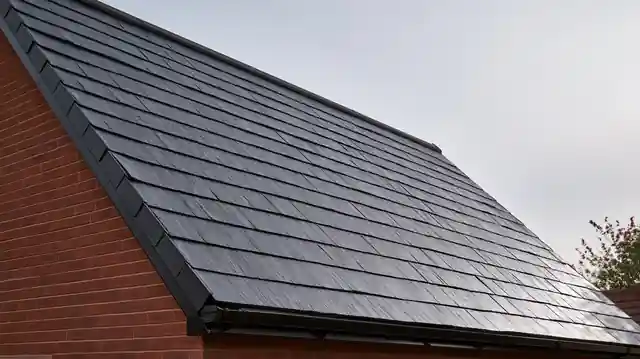
Roof Leak Repairs Worcester
Trace the water route before deciding what needs repairing
Roof Leak Repairs for Worcester Properties
We investigate roof leaks for properties in Worcester and Worcestershire.
A leak is a symptom, so the first task is to trace how water is entering and travelling.
The roof and the relevant surrounding details are inspected where access allows.
The proposed work is then set out in a written quotation.
You can also review the wider work covered by our roofers serving Worcester.
Roof Leak Investigation at a Glance
- Roof survey and visible-condition check
- Clear explanation of the likely cause
- Appropriate material and access considerations
- Written quotation for the proposed scope

How We Investigate and Trace a Roof Leak
The visible symptom is considered alongside the condition of the surrounding roof.
Inspect before specifying the work
We investigate roof leaks for properties in Worcester and Worcestershire.
A leak is a symptom, so the first task is to trace how water is entering and travelling.
Safe access, materials and related roof details are considered before the proposed work is set out.
What guides the quotation
The scope should match the condition found rather than a predetermined solution.
Assessment focus
- Start with the internal symptom
- Trace the likely water route
- Separate ingress from condensation
Written scope
- Visible condition
- Safe access
- Material specification
- Relevant exclusions
Understanding Roof Leak Detection
Effective roof leak detection starts with the internal symptom because a ceiling stain or damp patch may be some distance from the point where rainwater entered.
We compare the position and timing of the mark with roof slopes, junctions, underlay and the routes water could follow through the roof structure. This also helps separate a genuine roof leak from condensation or a possible plumbing fault.
Following the evidence directs the repair towards the cause rather than simply covering the visible stain. It gives the property owner a clearer explanation and a written scope designed around what has actually been found.
- The indoor mark is compared with roof slopes and junctions rather than assuming the entry point is directly above.
- Weather timing and moisture patterns help separate external water ingress from condensation.
- The findings are translated into a focused repair scope instead of speculative work.
Common Sources of Water Ingress
Water can enter around chimneys, lead flashing, roof valleys, ridge tiles or damaged roof tiles.
Leaking underlay or felt can allow water to track along battens or rafters before it reaches the ceiling.
If the problem is confined to a flat roof, compare the flat-roof repair options.
Failed mortar around roof details may require roof repointing rather than a generic leak repair.
If water is spilling from the roof edge, the guttering and roofline should also be checked.
The purpose of the inspection is to narrow those possibilities in a logical order, beginning with the roof geometry and the details most closely connected to the internal symptom.
- Position of the stain in relation to roof slopes and junctions
- Weather conditions and timing when the mark becomes visible
- Accessible evidence of water tracking along underlay or roof timbers
How We Find and Trace a Roof Leak
The internal stain is compared with roof slopes, junctions and the route water could take along underlay, battens or rafters.
The point where water appears indoors may be some distance from the external defect.
A methodical trace reduces the risk of repairing the nearest visible detail while leaving the actual entry route unresolved.
- Map the internal mark against the external roof layout
- Inspect likely entry details before disturbing sound materials
- Record the most probable route and any areas that cannot be seen safely
Interior Signs of a Roof Leak
A water stain on a ceiling, peeling decoration, damp timber or a musty roof space can indicate water ingress.
A ceiling leak may appear directly below the fault or some distance away after water has travelled along the roof structure.
The timing of the mark matters.
A mark that appears after wind-driven rain can point to a different route from a constant plumbing leak.
Recording where the symptom begins, how quickly it changes and which weather conditions make it worse provides useful evidence before the roof is inspected.
- Defined ceiling stains, peeling decoration or discoloured plaster
- Damp rafters, battens or insulation within an accessible roof space
- Musty odours, recurring moisture or daylight around a roof defect
Rooflights, Vents and Condensation
Rooflights and vents rely on correctly formed upstands, flashings and seals.
Condensation can resemble a leak.
Moisture pattern, ventilation and weather timing help distinguish the two.
The surrounding roof detail must be considered with the fitting itself because water can enter at an upstand, flashing or penetration rather than through the unit.
- Perimeter seals, upstands and visible flashing condition
- Vent and pipe penetrations where they pass through the covering
- Airflow and moisture patterns that could indicate condensation
From Leak Investigation to a Written Repair Scope
Condition
The visible fault, any water ingress and the condition found beneath accessible coverings.
Access
Roof height, pitch and whether suitable access or scaffolding is required and confirmed for the work.
Specification
Material choice, matching availability, roof area and relevant building regulations or British Standards.
Roof Leak Repairs FAQs
Water can travel along underlay, battens or rafters before it reaches the ceiling.
They can show context, but tracing normally requires the roof layout and likely water route to be assessed.
No. Condensation and plumbing faults can create similar internal marks.
Yes. Failed seals, flashing or the surrounding roof detail can allow water to enter.
Ask about roof leak repairs
Tell us what you can see and where the property is.
The form is for planned roofing enquiries in Worcester and nearby Worcestershire towns.